App for That Digital Agora

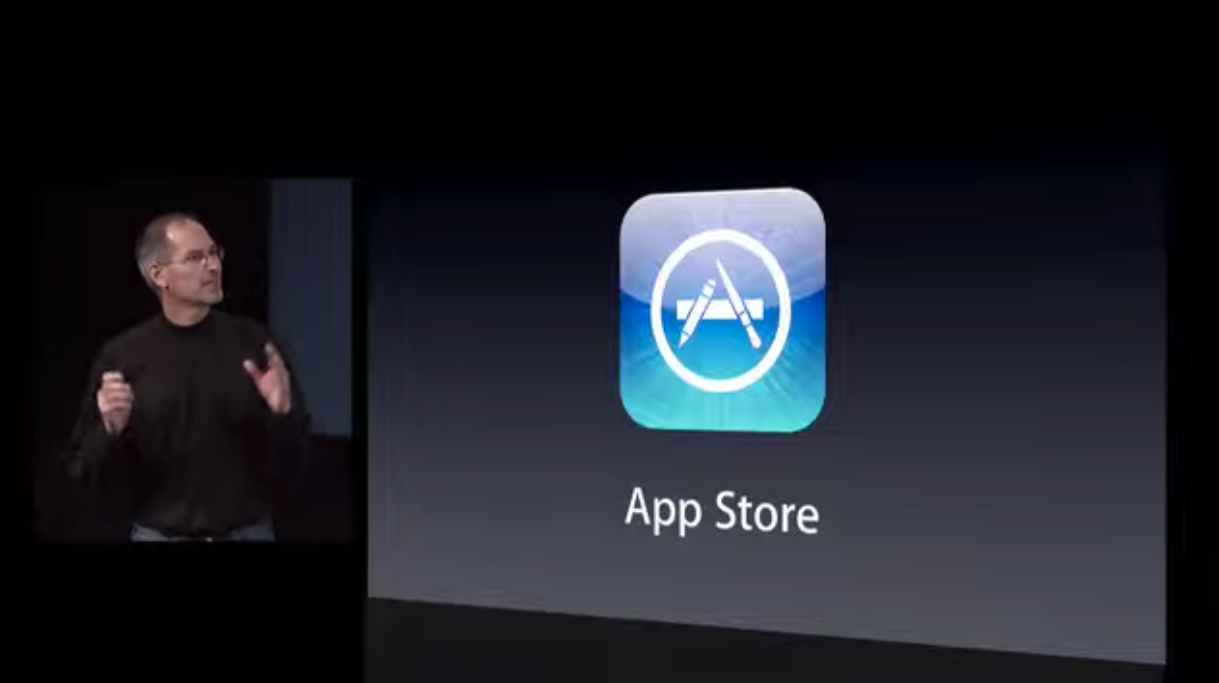
When the iPhone first released, all apps were designed and deployed by Apple. Meanwhile, third-party developers schemed to get fart apps, niche weather reports, coffee timers, guitar tuners, Twitter aggregators and the likes onto the new mobile phone. Androids, at the time, were easily developed for, but didn't include the luxury appeal and ease-of-use of the iPhone. By the time the iPhone 3GS was released, the app store came online and the "app for that" motto was finally shedding light onto the "i" ecosystem, its restrictions, and the possibility to score big from one successful app.
This era of 2008 app store is best described on Daring Fireball by the famous Apple journalist John Gruber in his 2010 blog post Where Are the Android Killer Apps. Gruber argued that Apple’s console‑like model — tight platform control, curated exclusives, and a ban on low‑level system hacks — produced a more trusted, consumer‑friendly software library than Android’s PC‑like marketplace. The console doesn't include system-based apps like task killers and anti-virus that might erode a users trust in the out-of-the-box system. Allowing anti-virus to be installed signals the operating system isn't safe. The computer app store is dedicated to more technical users that can and want to care for customising system-based operations on top of all the other apps you might download like calendars and games. The success of the App Store was its limitation, exclusivity and management, its ethical values around a certain user experience, one being broader and more popular for the average consumer.
However, just like any marketplace, an app store comes with moral values and restrictions even in the most liberal of systems. Resulting from a class action lawsuit over accidental in-app purchases amounting to $32.5 million, Apple changed its app install button from "Free" to "GET" in 2014. An odd word signalling a rakish intensity, this change was an admission that every download is an administrative contract, one that indicates continued usage and future potential wrapped in regulatory scaffolding and economic ploy. The App Store became industrious: a marketplace that, through its own regulation, produces economically productive norms of subscription-first, scale-first, algorithmically dominated. The apps made today reflect the ethos of the stores that distribute them, and in doing so, make it harder to imagine proposing something that isn't built within these values.

A new app store, of any kind, that might make a certain critical and ethical stance on digital economic models or consumption habits, is extremely exciting because of the historical dominance that mass marketplace app stores have had the past 20 years. Pinwheel's kid's phone includes an app store that filters "parent approved" apps safe for kids. WeChat and other superapps follow the doctrine of pulling the app store into the app itself to have more control. The western versions of this haven't had huge success and we need app store alternatives.
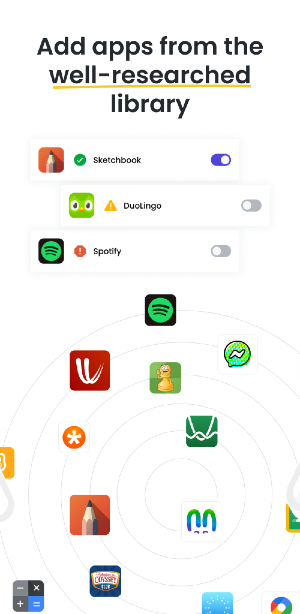
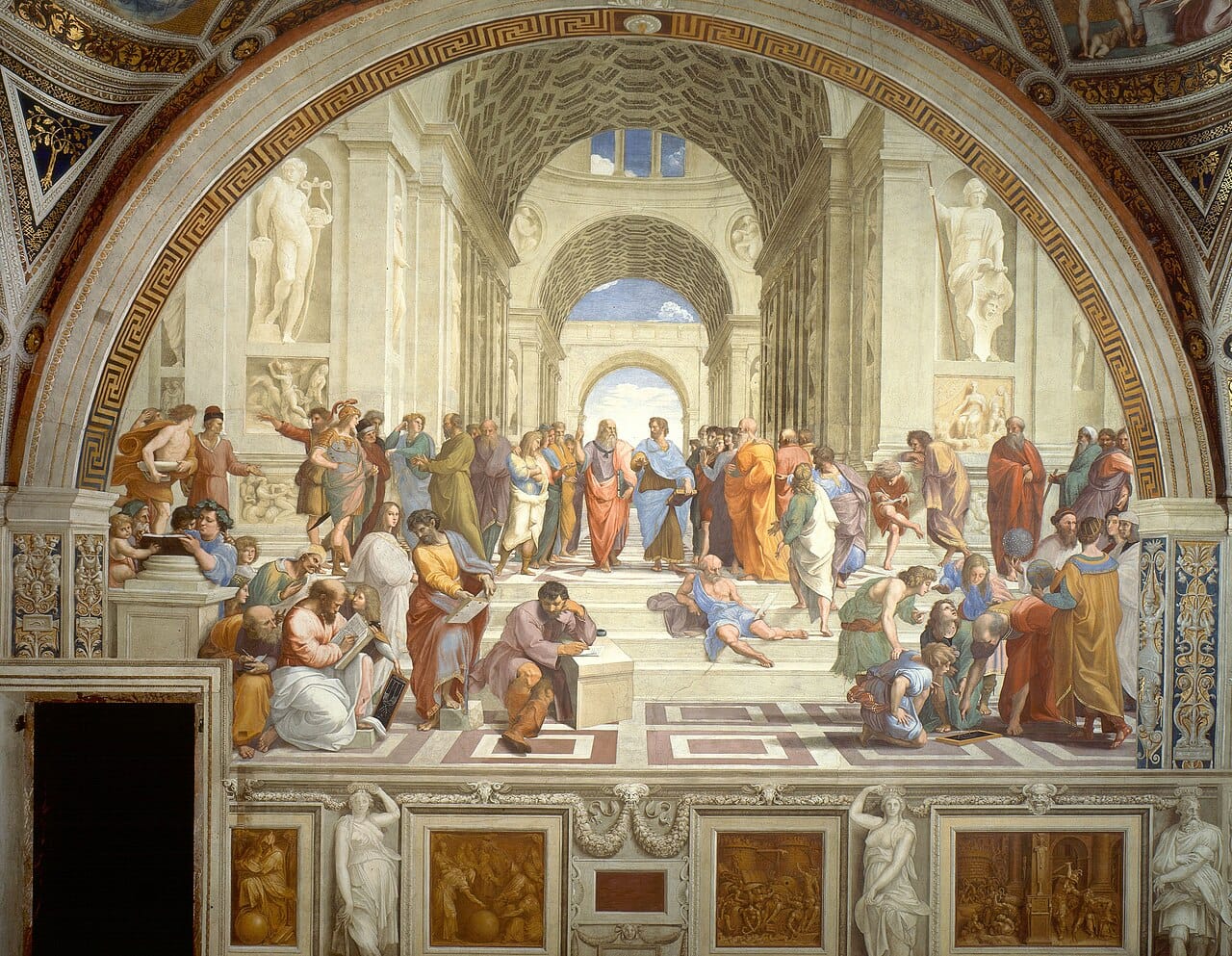
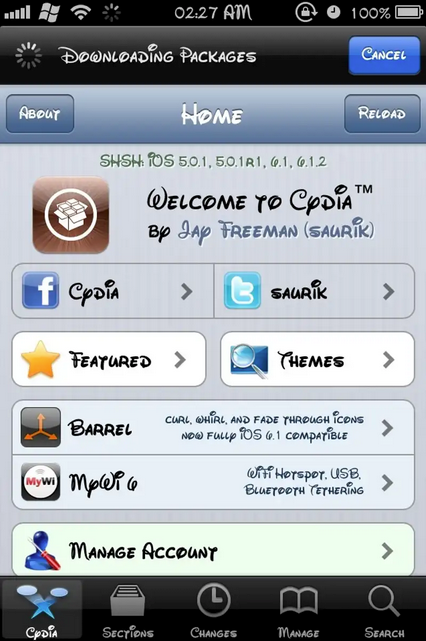
A few days ago Nothing released their beta for Essential Apps. A community marketplace for prompt-driven app and widget development for the non-technical. I can already hear the Nothing internal Slack being pinged with notes on first wave iOS app store era "app for that", the internet's utopic history and demise, and digital agora memes with Aristotle in the background. Probably some design member mentioning a blockchain solution to share tokenised profits of apps used. And, of course, a mention of Cydia, the classic illegal iOS app store for jailbroken phones.
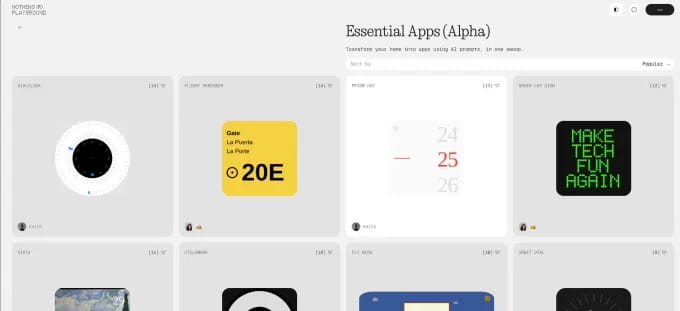
For the Beta, users can create widgets for the home screen that can then be shared on the Essential App store, bringing back a certain open-source mentality of sharing and iterating through community. Now, if all goes to plan, people driven to create or solve phone system problems can easily iterate through ideas, individually and collectively.
This mentality of experimentating and iteration by those that aren't necessarily versed in the technical abilities defined by certain logical systems is an exciting ethos that I try to embody for a lot of my projects. It follows as a reaction from a certain Obama-era "learn to code" mentality. We no longer need everyone needing to code, and maybe never did (software engineers are struggling for jobs), but now maybe we have enough open-source tools and AI to shape the environments and make the tools we actually want as users instead of it being dictated by those with the knowledge and power. We can look towards the permeating of certain anti-technical schools of thought like de-computing and permacomputing.
Nothing’s Essential Apps also draws on community-based design that can be grounding for organizing groups of people that share values around certain ways that a phone and the internet can be used. Similar to jailbroken app stores like Cydia, it creates a gateway for inspired individuals to create in spaces they're not traditionally allowed to. The value of these spaces is reflected in Apple constantly pulling features from this illegal iOS app store. This is something I'm particularly interested in following for Nothing. They are constantly focused on building community. Is it just a marketing project for free market research? Maybe, but I'm curious to see if it can be more than that. Or, what potential off-shoot communities or app-based collectives that might spur out of it.
Some questions this is leaving me with are:
- How powerful are app stores and digital regulatory bodies in creating certain norms and ideals of what "software" can be for people? Is the App Store less a marketplace and more a grammar?
- Nothing's community bet is interesting, but is it a product feature or something more durable? The history of "community-driven" platforms eating themselves for growth is long (see: early Twitter, early Reddit, Geocities etc. etc.). What would it take for Essential Apps to not follow that arc? Why did this happen in history?
- What other projects have built curated app stores with an actual stance: ethical, political, aesthetic? (Pinwheel was mentioned, maybe Itch.io but that’s for games.)
- Where else can we see spaces like Cydia that are considered illegal but prompt innovation? Are there spaces like this that exist for human-centered design from a variety of perspectives or are they just a minority looking for the next best widget?
- What are more examples of giving access to tooling and space creation to non-technical folks creating more human-centred or community driven spaces? Outside of utopic ideas.