Neo-Orality: New Data with Old Models
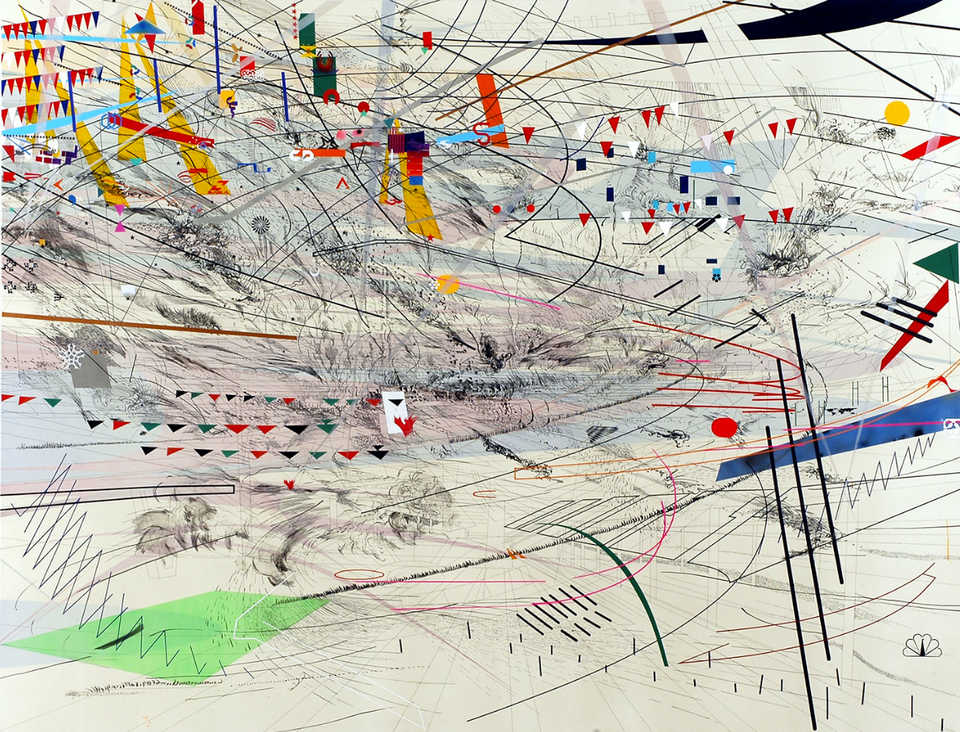
Last month, New Models highlighted a sentiment coming up this past year in the Discord: a rise of neo-orality following the print and literary culture of the past few centuries. The framing of neo-orality captures the rise of spectacle and performance as a dominant mode of understanding the world, coinciding with a shift to being firmly online as a culture. In some ways, understanding the world through the communication of spectacle is obvious, but it offers a helpful framework to understand more concretely what we’re experiencing as this obvious becomes surreal, or cringe, and we continue to see our modernist models of understanding the world collapse.
Since platforms began as the primary participatory function of the internet, the way we communicate and make sense of the world has since shifted from a modernist mode of a literary society focused on paper facts and traditional logic. The old culture of print produced abstract thinking, linear logic, and the ability to hold an argument at a distance and evaluate it. You could sit with thoughts on paper and come back to those recorded facts, as opposed to a collective story in our minds. Neo-orality, however, includes the affective modes of performance on top of a literary culture, like the news anchor using written words as data that informs an immediacy of the image.

Unlike the way information is distributed today, traditional media is considered a “place.” Print media had a front page, a bulletin, a defined time and place where information was disseminated collectively from an editor's hand. It operated as a form that people could return to, like coming back to a narrative arc and following its story. Certain biases and perspectives were expected, and information would align within a curatorial vision. And while considered biased, it was also binding. It included a string to guide us through ambiguous thoughts. Most importantly, these forms were public. They were shared structures that people could commune to: a shared reality and epistemological framework to understand the world. The Guardian newspaper that you read was the same one as mine.
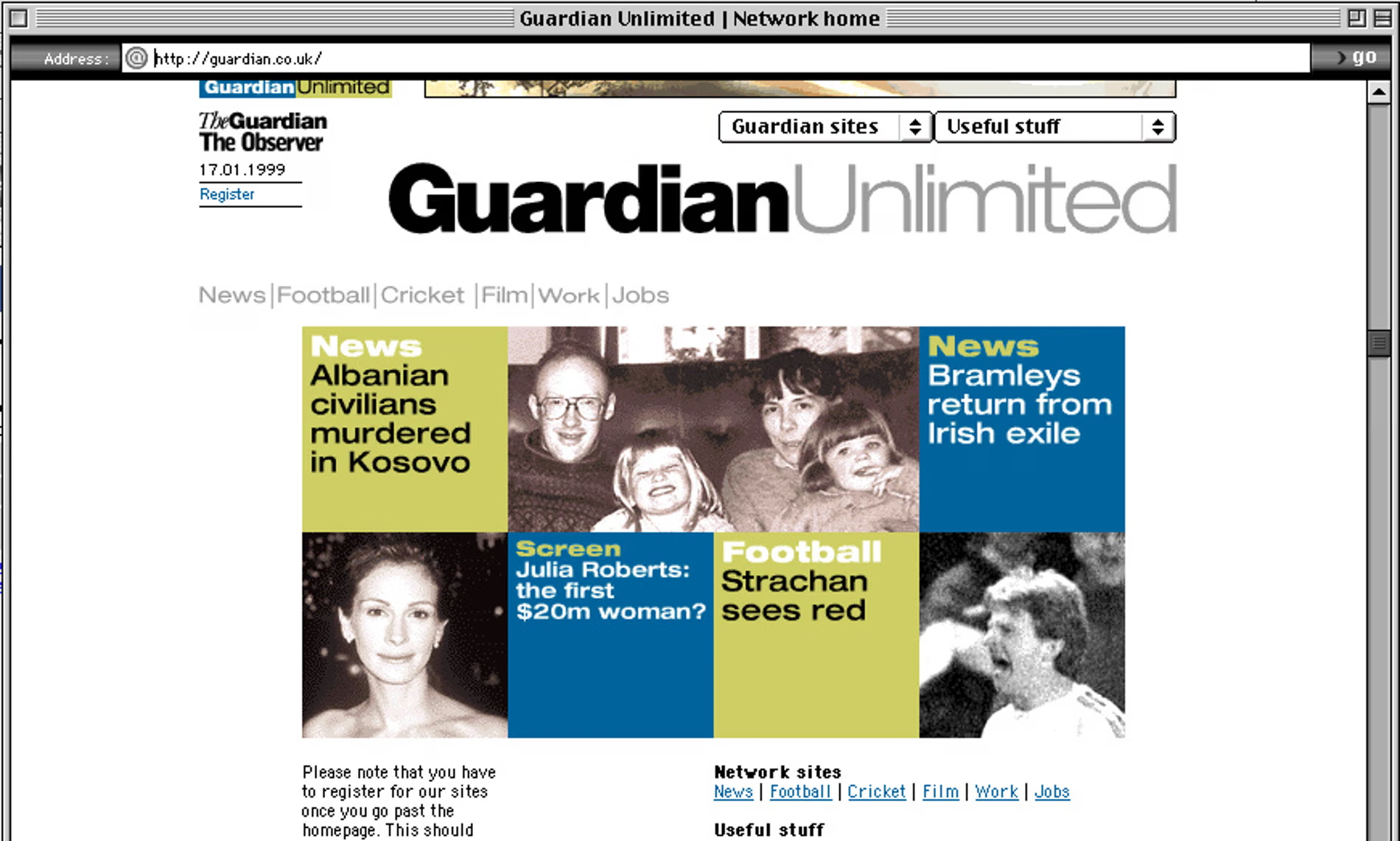
Digital platforms, however, operate not as a public place but as an individual one. Although the content from traditional media platforms could be the same on these platforms, dissemination is fragmented instead of a distinct public form. Print media's branding and UI decisions moved onto websites and platforms, but the way we accessed those websites increasingly moved towards algorithmic methods that acted as a middle man. One that was always dynamic and never clearly understood. We can't share a feed with one another, only pick out bits and pieces to share to group chats and online accounts. We can create a web of content, articles and ideas to share with one another, but never the full picture. The shared platform of print media was replaced by an individual space that requires more on the user to make sense of the world, and more on the user to create an epistemological framework in an ever changing environment. We are required to create a personalised arrangement of facts that we then circulate to each other to build a shared understanding.
In 2016, a well circulated study by Reuters showed that algorithms were preferred over print media for their personal and unbiased feed. Ten years later, I would doubt the results would be the same, and the question would be phrased as whether biased and traditional modes of understanding the world are sought after for clarity. Piecing together a world ourselves is authentic and noble, but it runs the risk of being steeped in anxiety when failure to do so approaches. Especially when information floods from various mediums without clear direction.
It's in these two functions that neo-orality operates from: (1) troves of data no longer being parsed by legacy media for our consumption, and (2) a new immediate method of information consumption within the turmoil. When there is too much information without a clear narrative — a kind of sense collapse, or what Jacqueline Fendt calls epistemic fragmentation — it's difficult, and anxiety-inducing, to try and make sense of it yourself. This shift into neo-orality is associated with the change from legacy print media and the editor defining data into thought pieces, articles and news with a clear bias, to a complex array of algorithms that don't create a clear, albeit "unbiased," picture.
Neo-orality is not a Western anomaly—it is a transcultural media condition rooted in platform infrastructures, affective economies, and the post-print collapse of epistemic gatekeeping. ... This is not about culture; it is about infrastructure. The affective, real-time, and highly performative logic of neo-orality flourishes across contexts because it is amplified and shaped by global platforms that reward virality over coherence, resonance over reason.
"Democracy, Neo-Orality, and the Unraveling of Political Norms: What Can We Social and Political Scholars Do?", Jacqueline Fendt
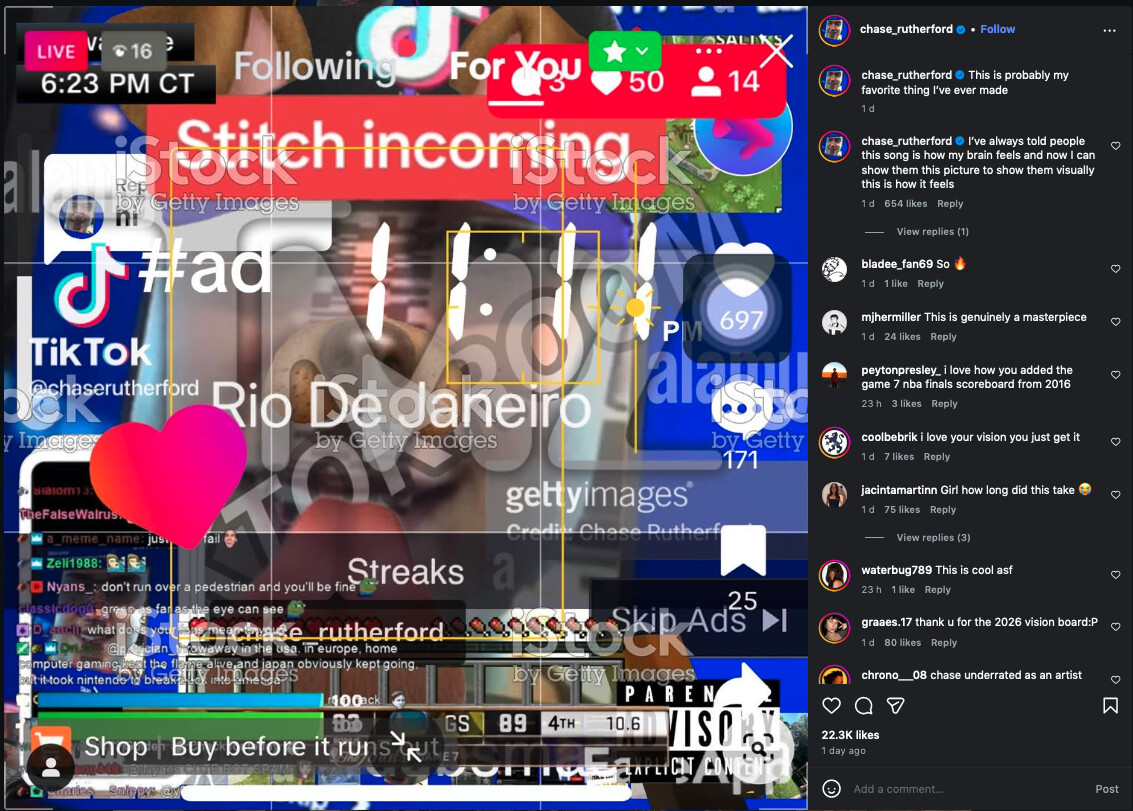
Within neo-orality, we've been evaluating the world through spectacle and emotional resonance, i.e. vibes, of stories or lore that ride on memes, images and videos. Trump's mythical harness of good and evil, and his use of caricature nicknames (Wicked Hillary, Crooked Bill) wouldn't have worked if we didn't rely on performance as an authentic mode of understanding (as we do ourselves: performing online). Following these story builders, the references to construct them: data that can be more easily moulded and scoped for story telling. Moltbooks theatre of the false coming AGI, and the thousands of Epstein files being released without a clear narrative, all sit as data for story tellers of neo-orality to be pieced together into a clear narrative arc through clips, videos and verbose language.
Like the release of the Epstein files over the past 40 days, the amount of information accessible to the public calls for a narrative to make sense of it. When conspiracy has now been proven real, how can we rely on old models of epistemology to piece this all together? What is certain is that the models of understanding and parsing this information have broken down:
In Epstein’s network the seemingly sharp lines between the liberal establishment - Clinton, Gates, Summers, Chomsky etc - and the supposed agents of polycrisis - the Russians, the Israelis, Trump and his cronies - were blurred.
There were no crisp lines of decorum. No one and nothing was beyond reach. Everything was up for grabs, whether that be “Snow White” or insider tips on the Eurozone crisis, bitcoin and Ukraine
"Chartbook 432 "Writing column. Talking w peril" - polycrisis or stroke?", Adam Tooze
As Adam Tooze frames it, the existing frameworks — left, right, liberal, reactionary — are more obviously breaking down than before. Our models can't contain the data.
In the face of lost traditional media, we can find ourselves in similar scenarios of model collapse: piecing together information across the vast online media landscape, that may or may not be interoperable between platforms, towards a linear narrative that may not sit solidly in our minds. Sitting with this ambiguity and troves of screenshots, digital files, failed Obsidian habits, 40,000 photos on iCloud, 3000 unread emails, and dormant online accounts could be seen as the costs of trad media. While hoarding artefacts isn't new, digital hoarding (archiving?) can seem like a political act in an age that strives for acceleration and focuses less of remembering. This swarm and hoard of data requires structure, of any kind, to be made sense of. Neo-orality is one of them, but in what other ways can we pick through the data?
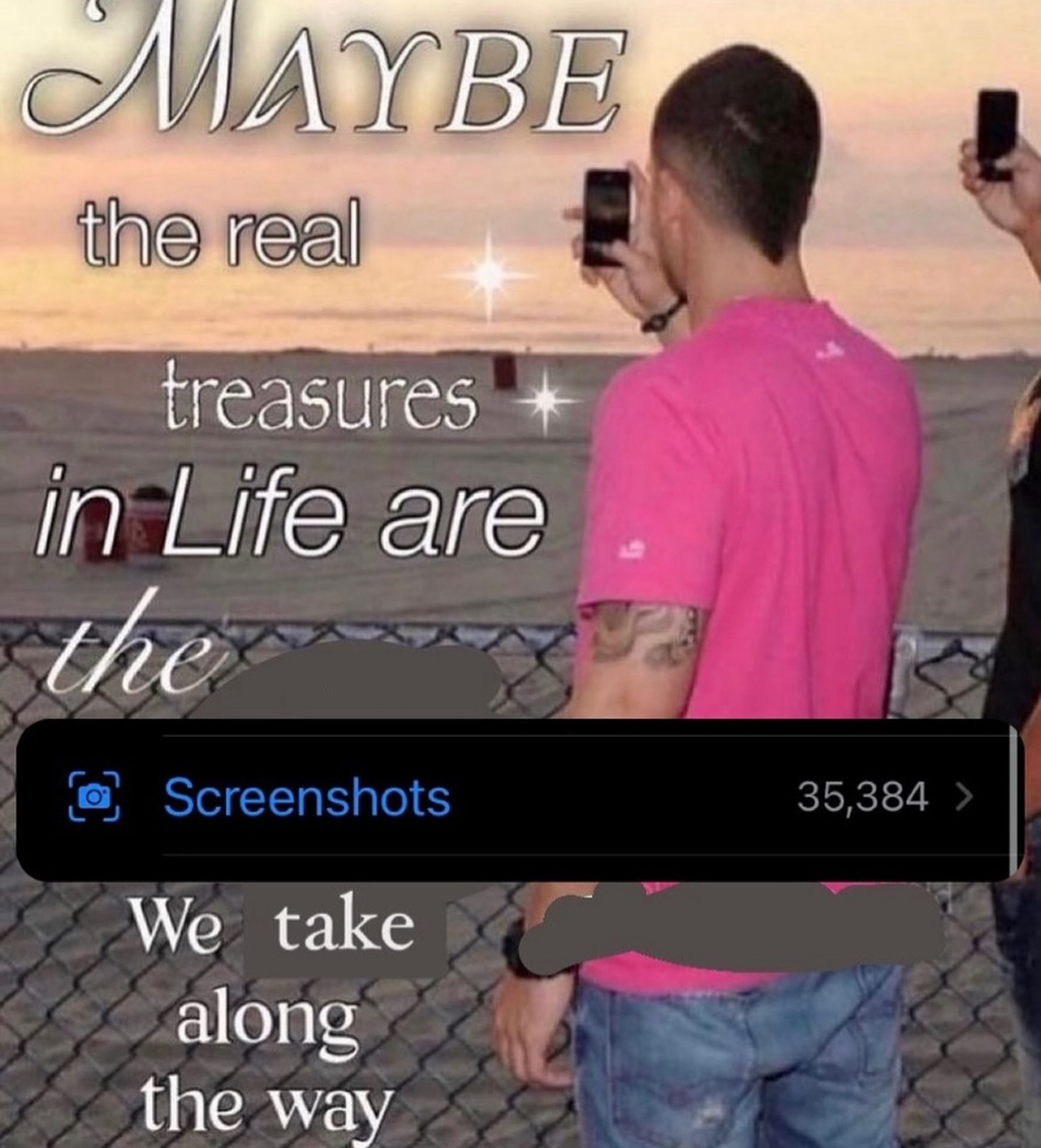
Outside of towering political polycrisis and data hoarding, we've begun to come up with new models for making sense of this turmoil in a myriad of ways. Some that might exist alongside neo-orality. Grasping for more rigid realities that fully exist outside of the networked internet, people are reaching for meditative practices of control: collecting physical objects or moving back to nostalgic media. These act as modes of existence where things are concrete and stable, and meaning either comes from it's real existence, or the history it's embedded with. A collection of objects or physical media can't be lost in technological acceleration and doesn't require a complex knowledge framework to make sense of it.
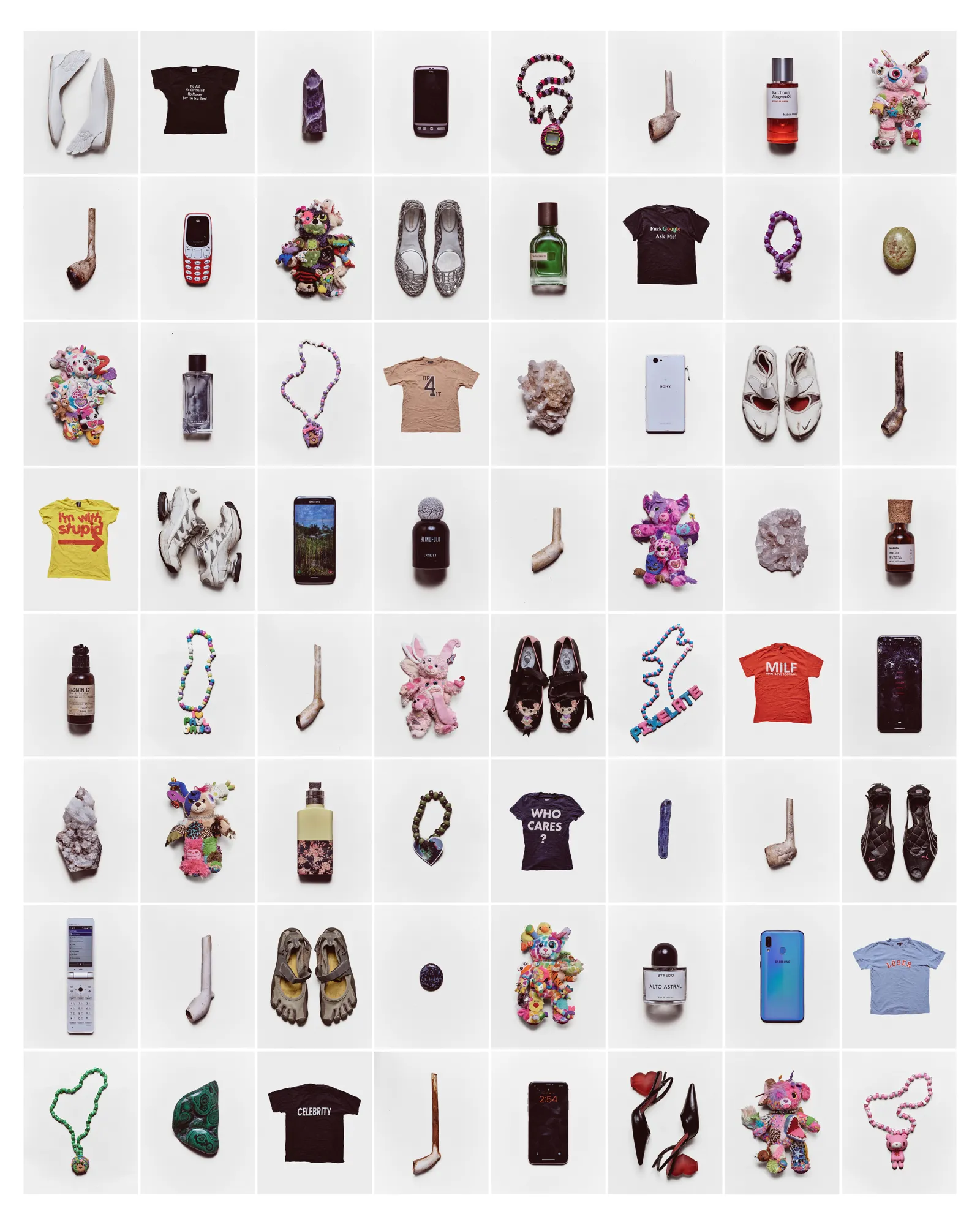
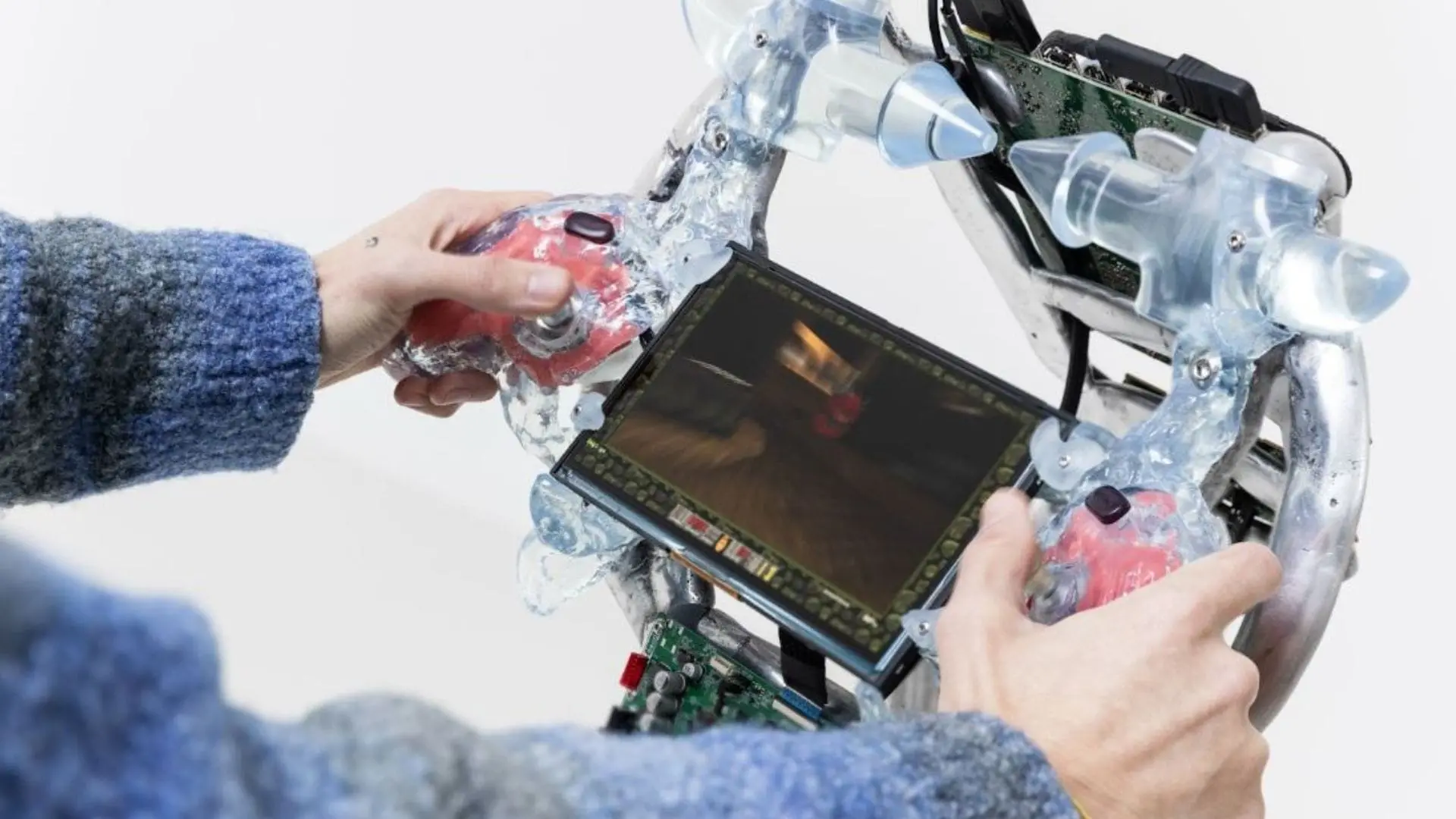
These acts exist perfectly as a moment to pause, but run the risk of outright rejection and a refusal to exist in society.
Meanwhile online, dark forest ecosystems have emerged as a solution to this perceived collapse of traditional media. Spaces that exist outside of algorithmic media, dark forests are slightly gatekept to exist as spaces where communities act as editors and consumers. Similar to the 2010s Instagram curator, the dark forest, through spaces like groupchats and Discords, acts as another mode for information to be collected within a certain curatorial viewpoint. The dark forest reformats the traditional “place” that printed media provided. However, in this case, members have the option to help share content they assume the space is interested in, further refining the group's interests. These places provide an opportunity to experiment with new models of sense making within a contemporary context of model/sense collapse and the spectacle of neo-orality.
What I'll leave you with are some questions, along with a beautiful time capsule understanding the realities of big media and big print from the 90s, so we're not too nostalgic for an era of print and biased media. Presented by DIS, Murray Bookchin Reads Time Magazine captures the machine that is Time Magazine. A glimpse of what we might have lost, and may or may not be missing:
The news in Time happens elsewhere, happens to others. Time is reliable. It comes each week, and with it, past, present, and future merge to the point of disappearance. Like television, Time lulls readers into complacency because the news is given an even, consistent tone. All issues are treated the same, with the same bland distance. Time makes a reality so unreal, so colorless.
DIS Collective description of Murray Bookchin Reads Time Magazine
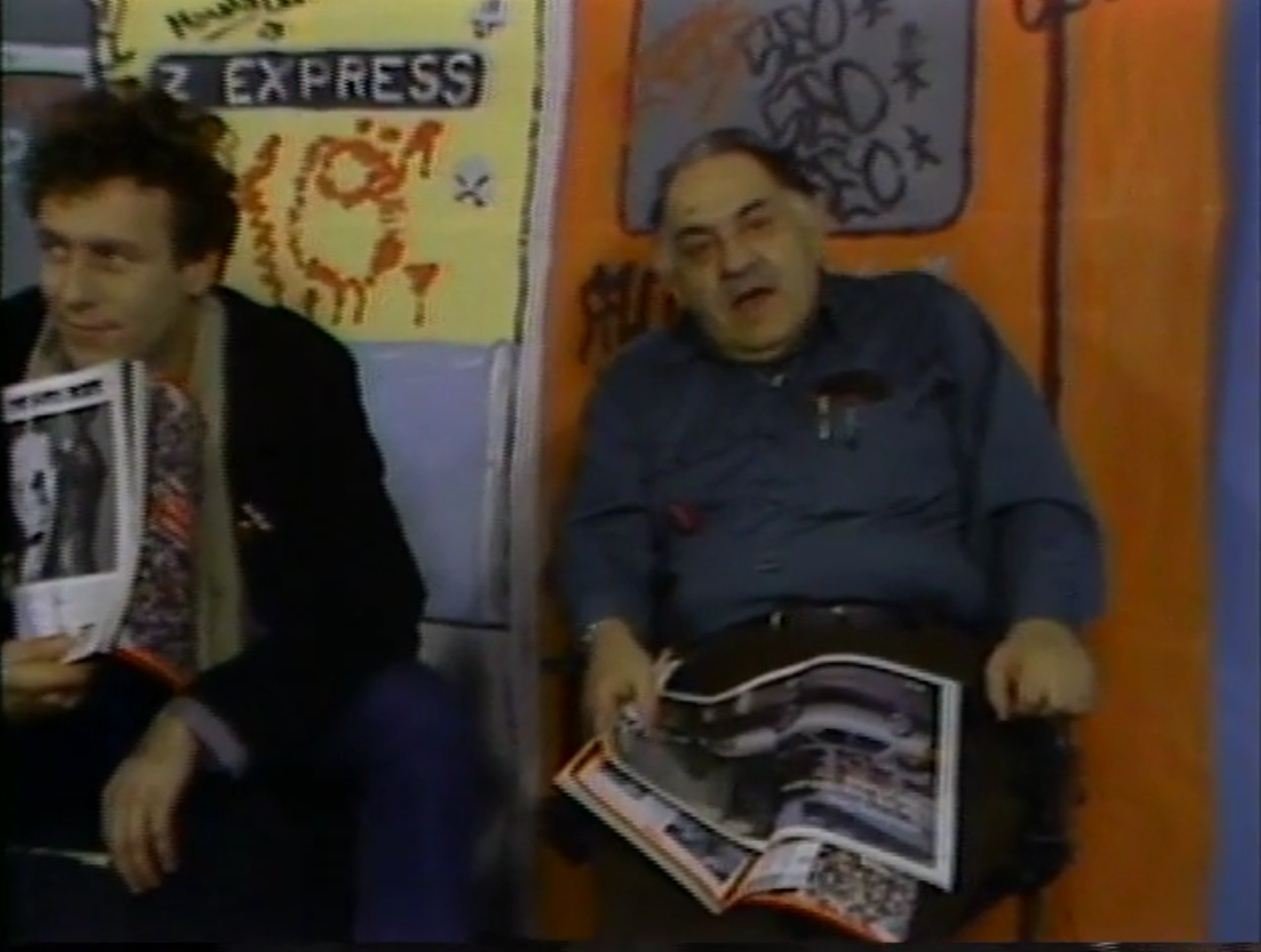
Questions we might want to consider from this:
- What ways do we want to consume media, news, and other vital forms of information?
- What are other places and systems that we can use along side this context of model/sense collapse, and the spectacle of neo-orality?
- What are some examples of groupchats, dark forests, twitter threads, private forums that have a specific sense making practice? What have the affordances been?
- How can AI data aggregation tools help make sense of the world, how might they cause us issues (perhaps because they lack interiority?
- Can a tool, like AI, that lacks interiority — no genuine uncertainty, no sense of what it doesn't know — ever help us build shared reality rather than just personalised versions of it?
- What are contemporary tools that afford the creation of models to better understand culture online?
- What do we want out of spaces and tools that help us commune and make sense of the world together?